



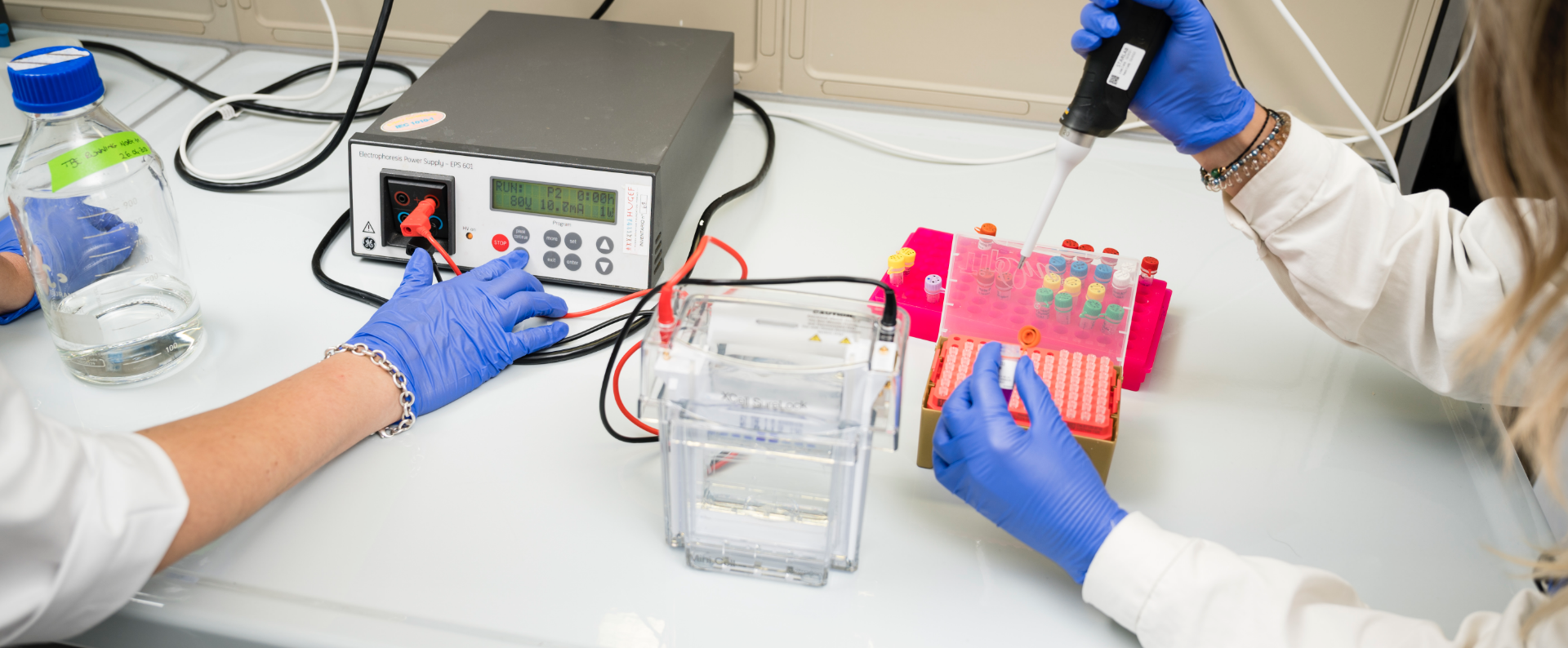
The Italian Institute for Genomic Medicine (IIGM) hosts nine Research Units, whose field of investigation is addressed to biomedical disciplines, bioinformatic analysis, and computational biology.
The activity of each Unit is coordinated by a Principal Investigator (PI) and managed by researchers and technicians.



Cancer Genome Dynamics
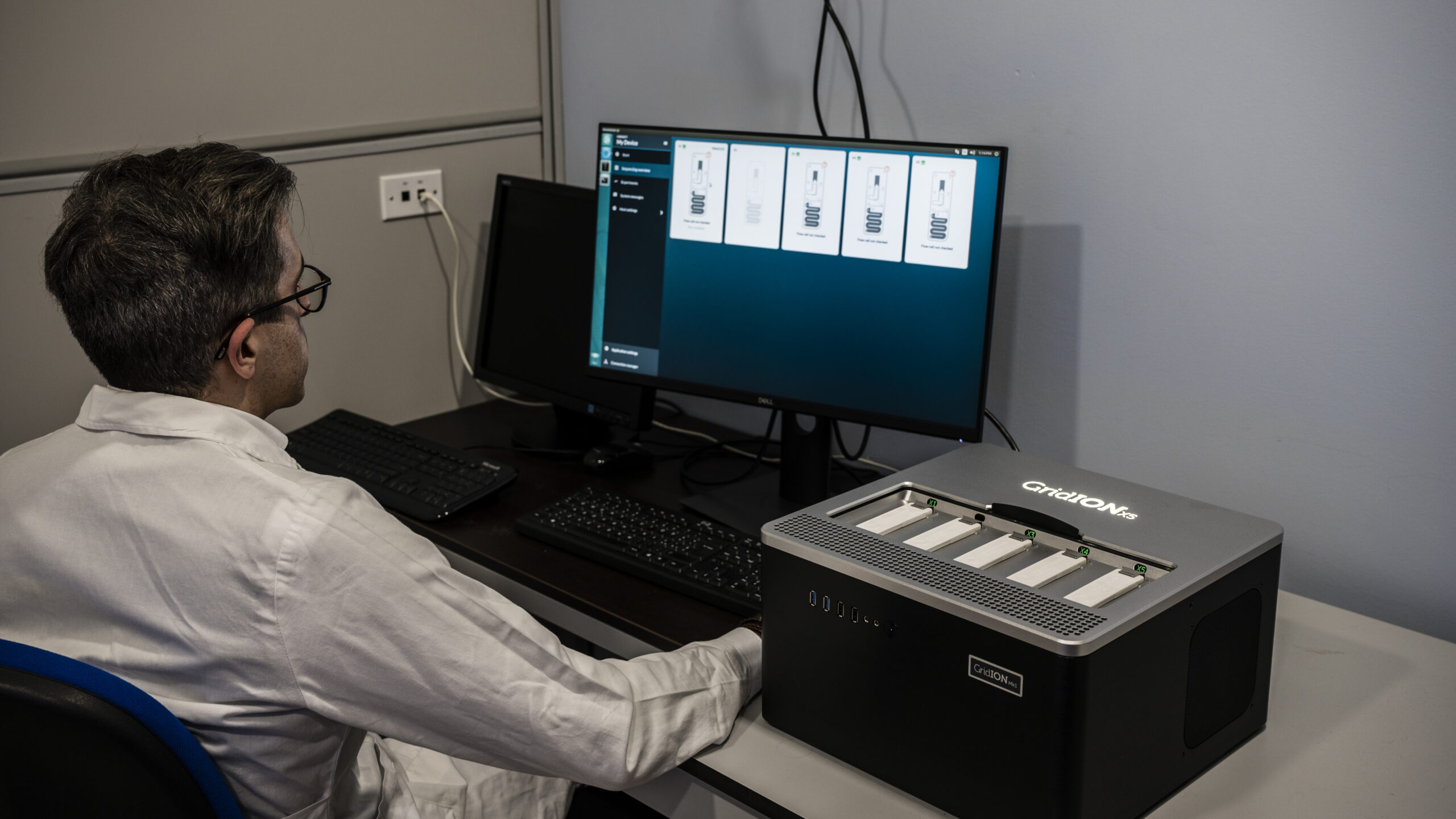
The research unit of Cancer Genome Dynamics is focused on developing new tools to study chromothripsis and cancer genome evolution. We are particularly interested in how catastrophic processes, like chromothripsis, can shape the evolution of the cancer genome during the different steps of tumorigenesis.

Chemical Biology
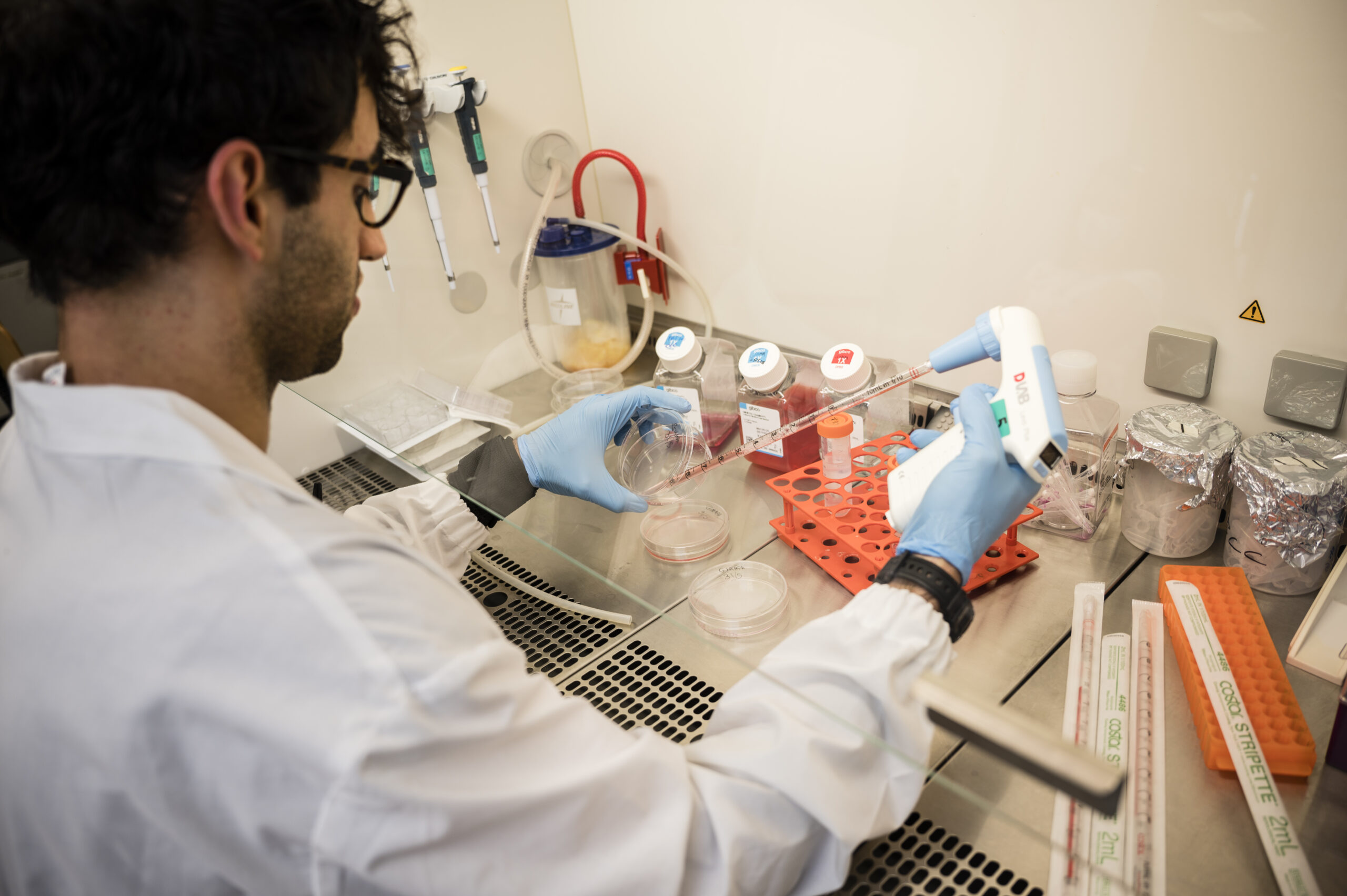
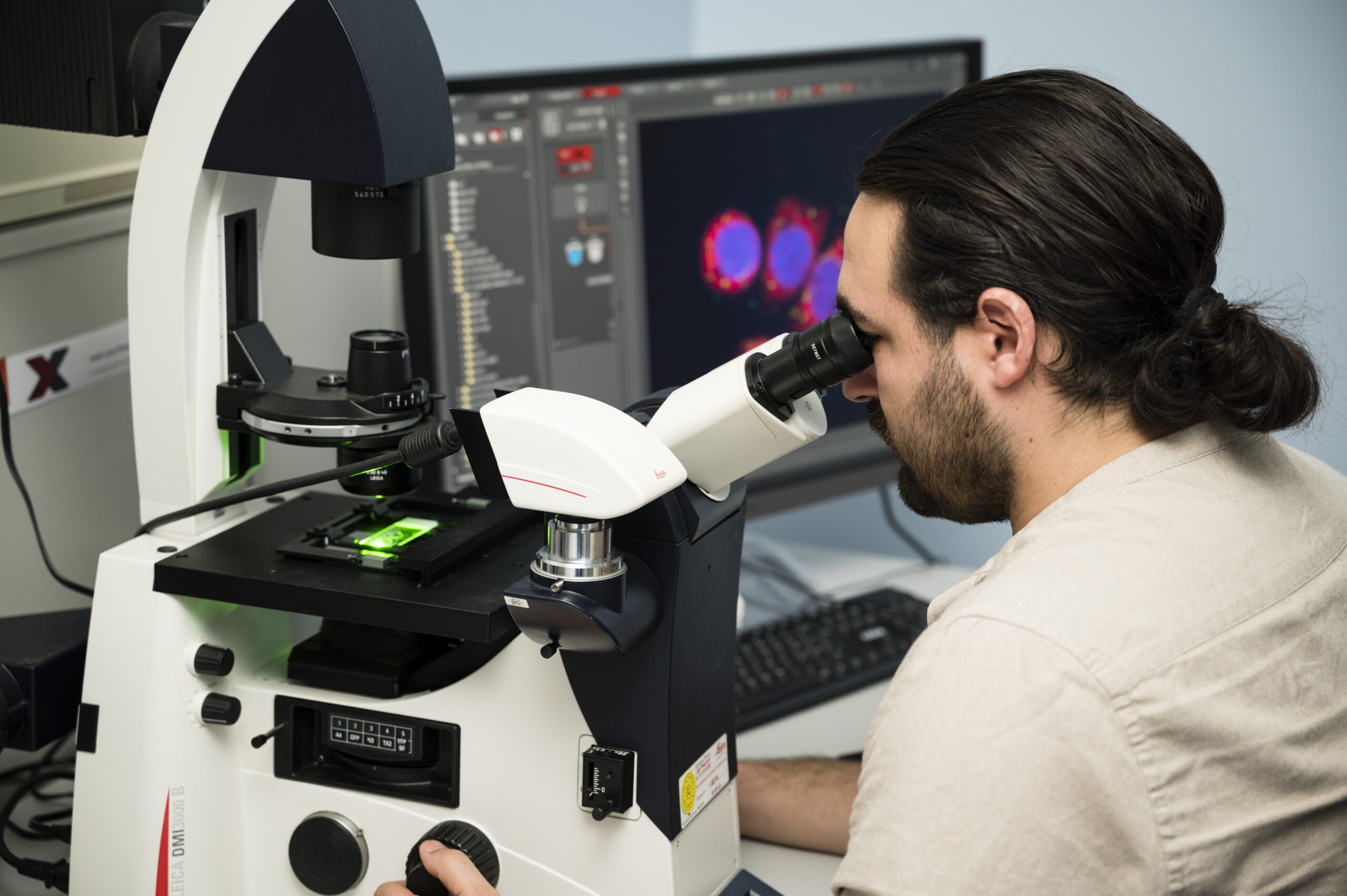
The “Chemical Biology” Unit develops new technologies and new strategies for enhancing drug therapies. Particular attention is paid to the pathways that enable the internalisation and delivery of biomolecules and biopharmaceuticals into intracellular compartments of the cell.
Chemical Biology
The “Chemical Biology” Unit develops new technologies and new strategies for enhancing drug therapies. Particular attention is paid to the pathways that enable the internalisation and delivery of biomolecules and biopharmaceuticals into intracellular compartments of the cell.

Genetic and Molecular Epidemiology
The research program of the Genetic and Molecular Epidemiology Unit focuses on the integration of clinical, environmental (exposures, lifestyles, diet, diseases, and intermediate phenotypes), and genomic and epigenomic data collected in large prospective studies.
Genetic and Molecular Epidemiology
The research program of the Genetic and Molecular Epidemiology Unit focuses on the integration of clinical, environmental (exposures, lifestyles, diet, diseases, and intermediate phenotypes), and genomic and epigenomic data collected in large prospective studies.


Statistical Inference and Computational Biology
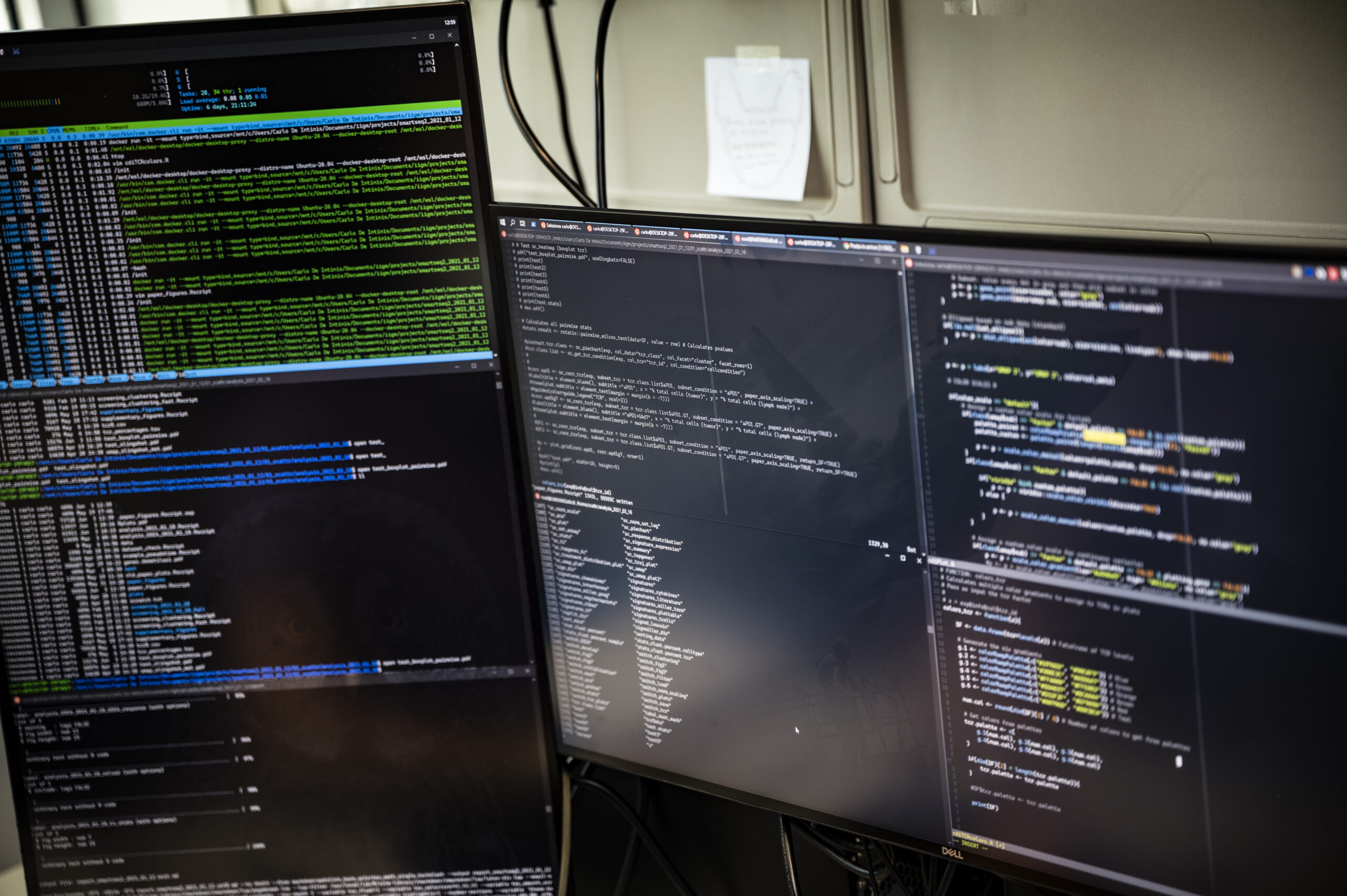
The unit’s research program is related to the development of computational techniques inspired by statistical mechanics applied to biological research: from the quantitative analysis of large-scale biological databases to the inference of complex interaction networks.