Flow Cytometry and Cell Sorting Facility
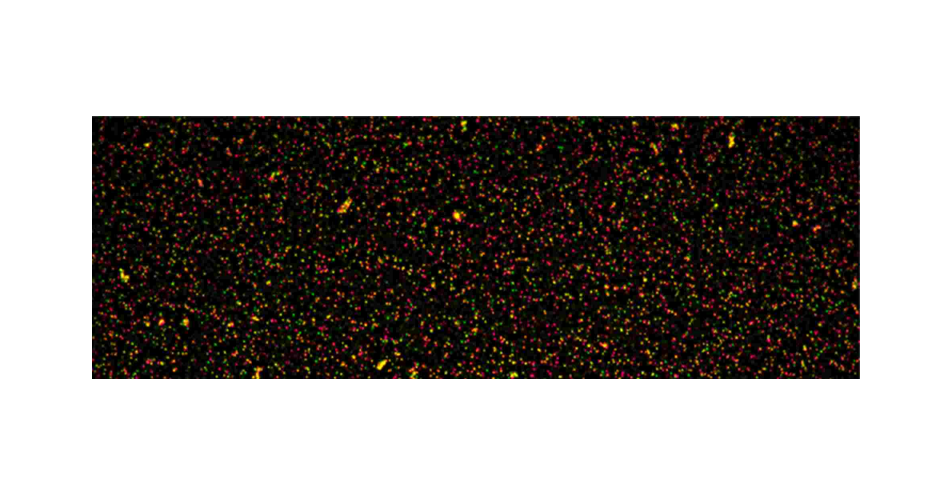
IIGM’s FLOW CYTOMETRY AND CELL SORTING FACILITY is equipped with a Cell Sorter and three Cytometers, offering access to multi-parametric methods of analysis and single cell manipulation.

IIGM is an Instrumental Body of the
IIGM is an Instrumental Body of the Compagnia di San Paolo Foundation


Our goal is to become a reference center in Italy for translational research and precision medicine.
We aim at training a new generation of talented scientists, so that they can walk a path to become a reference for tomorrow’s international research.
About Us
IIGM is a Research Foundation created by the Compagnia di San Paolo of Turin. It was established to develop top-quality research and provide advanced training in human genomics and epigenomics, systems biology, immunology and bioinformatics.

The Italian Institute for Genomic Medicine (IIGM) hosts ten Research Units, whose activities address biomedical disciplines, bioinformatic analysis, and computational biology. IIGM hosts the inter-unit project “Sargen”, an investigation on pediatric sarcomas.
The activity of each Unit is coordinated by a Principal Investigator (PI) and managed by researchers and technicians.
There are currently 3 active Facilities at IIGM, managed by dedicated staff. The activities of the facilities are meant to service both internal researchers and external users as part of scientific collaborations with IIGM, or under Service agreements.


 Learn more

The research program of the Cancer Cell Dynamics Unit focuses on studying cellular signaling dynamics with high temporal resolution and at the single-cell level.
Learn more
The research unit of Cancer Genome Dynamics is focused on developing new tools to study chromothripsis and cancer genome evolution. We are particularly interested in how catastrophic processes, like chromothripsis, can shape the evolution of the cancer genome during the different steps of tumorigenesis.
Learn more
Our group studies cancer genomics using large-scale next-generation sequencing data to identify and characterize the molecular mechanisms driving cancer onset and progression.
Learn more
The “Chemical Biology” Unit develops new technologies and new strategies for enhancing drug therapies. Particular attention is paid to the pathways that enable the internalisation and delivery of biomolecules and biopharmaceuticals into intracellular compartments of the cell.
Learn more
The research unit combines molecular, cellular, and global genomic approaches to investigate epigenetic and epitranscriptomic modifications that occur in response to environmental or developmental signals and that are deregulated in tumour transformation.
Learn more
The research program of the Genetic and Molecular Epidemiology Unit focuses on the integration of clinical, environmental (exposures, lifestyles, diet, diseases, and intermediate phenotypes), and genomic and epigenomic data collected in large prospective studies.
Learn more
The major interest of the unit is to decipher the link between genomic instability, cancer stemness and anti-tumor immune response, in order to develop effective and durable immunotherapeutic strategies.
Learn more
The studies of the Immune regulation Unit are aimed at understanding the fundamental mechanisms underlying the development of the immune response.
Learn more
The goal of the unit is the generation of innovative strategies for stimulating the antitumor immune response in cancer patients.
Learn more
Inter-unit Project “Genomic Profiles Analysis in Children, Adolescents and Young Adult with sarcomas” (SAR-GEN_ITA).
Learn more
The unit’s research program is related to the development of computational techniques inspired by statistical mechanics applied to biological research: from the quantitative analysis of large-scale biological databases to the inference of complex interaction networks.
The Cancer Genome Dynamics Lab at the Italian Institute for Genomic Medicine (IIGM) is seeking highly motivated Postdoc candidates interested in how catastrophic processes, like chromothripsis, can shape the evolution of the cancer genome during the different steps of tumorigenesis. The lab takes advantage of CRISPR engineering tools to design innovative model systems to crack the biology of the functional products of chromothripsis events, including the formation of complex, heavily rearranged extrachromosomal DNAs (ecDNAs). Our long-term goal is to identify novel metabolic vulnerabilities associated with these chromosomal aberrations and translate this knowledge to the development of more effective therapies for patients with aggressive ecDNA- and chromothripsis-driven tumors.
Open from: 18.11.2026
Expiry date: 25.11.2026

Candiolo, Italy

Research Assistant